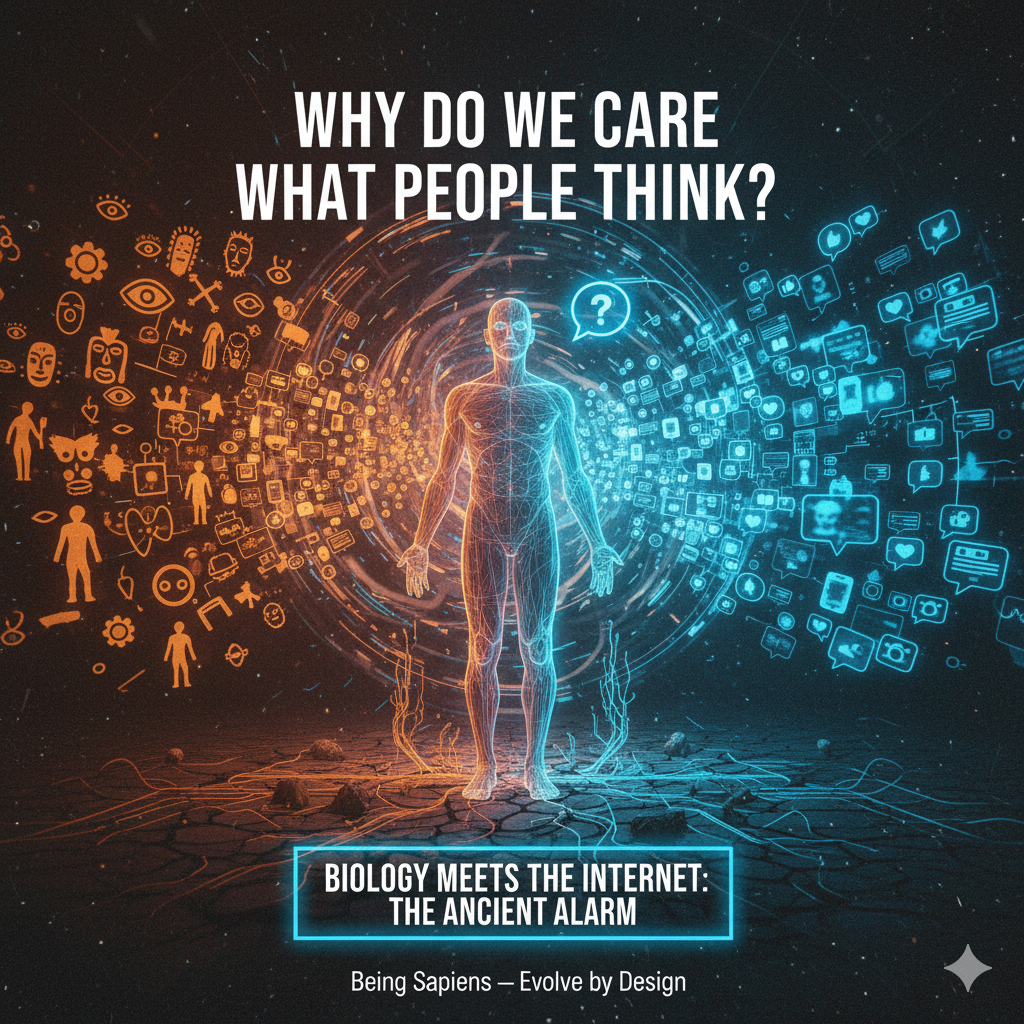
One of the biggest struggles young people face today is this constant pressure of “What will people say?”
Every action, outfit, post, career choice, relationship — everything feels judged.
But this fear isn’t modern.
It’s ancient.
It’s biological.
It’s evolutionary.
For 2 million years, your survival and reproduction depended on what people thought of you.
Let’s break this down in simple, science-based terms.
We Survived as a Group — Not Alone
Humans are not fast like cheetahs.
Not strong like bears.
Not sharp-toothed like lions.
As individuals, we had almost no natural survival tools.
A lone human in the wild was almost guaranteed to die.
So nature did the smart thing:
👉 It made us social.
👉 It forced us to depend on each other.
👉 It wired our brain to fear rejection more than hunger, injury, or even pain.
For our ancestors:
-
Being accepted = increased survival
-
Being rejected = death
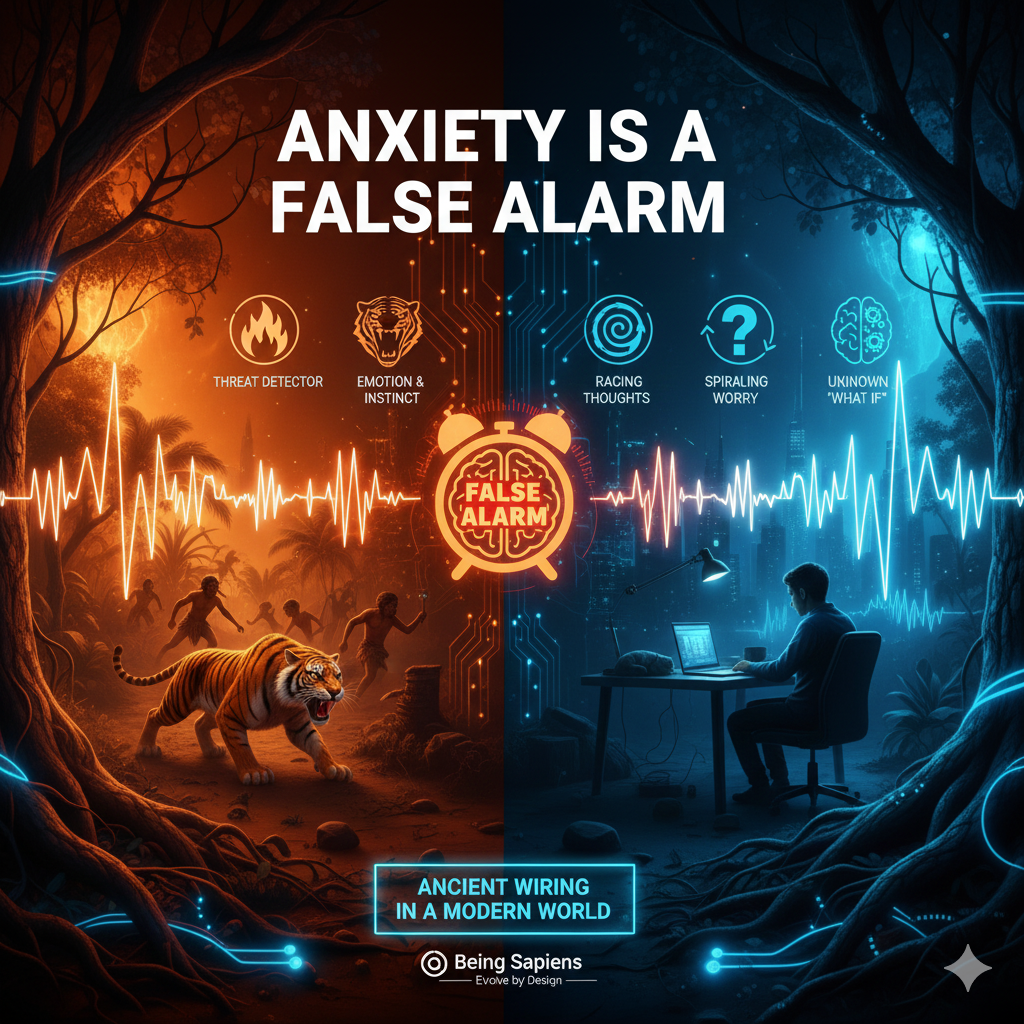
This is why your brain treats social disapproval as a threat.
Not because you are weak.
But because your biology is ancient.
Rejection Once Meant Death
In prehistoric times, groups were small — 20 to 40 people.
If they accepted you, you had:
-
Protection against predators
-
Shared food
-
People to hunt with
-
Support when you were sick
-
A better chance to raise children
-
A better chance to live long enough to reproduce
If they did not accept you?
You couldn’t simply “find another group.”
Most tribes didn’t welcome outsiders — outsiders could bring disease, danger, or competition.
So being kicked out of your group was the worst punishment possible.
Your brain evolved to prevent that at any cost.
This is why even today:
-
A negative comment hurts
-
Social humiliation feels unbearable
-
Being ignored feels painful
-
Being judged feels threatening
Your brain is treating these modern events as ancient dangers.
Social Approval Was Linked to Reproduction
From evolution’s perspective, survival is not enough.
The real goal is reproduction — passing genes forward.
And in human societies:
👉 Your social status directly influenced your mating chances.
If your group rejected you:
-
You lost potential mating partners
-
You looked weak
-
You lost opportunities for connection
-
Your “reproductive fitness” dropped instantly
This is why:
-
Status matters
-
People crave respect
-
Social image feels important
-
Humiliation feels life-threatening
Your brain is doing an old job in a new world.
Why the Fear is Stronger Today
Here’s the twist:
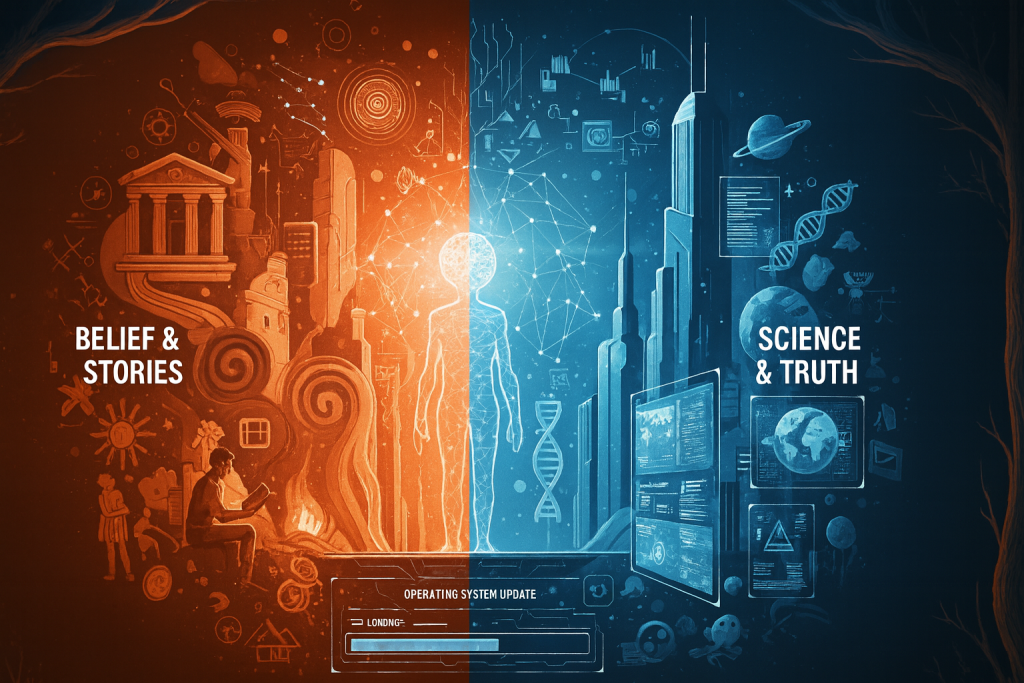
Our wiring didn’t update, but our world changed completely.
Today:
-
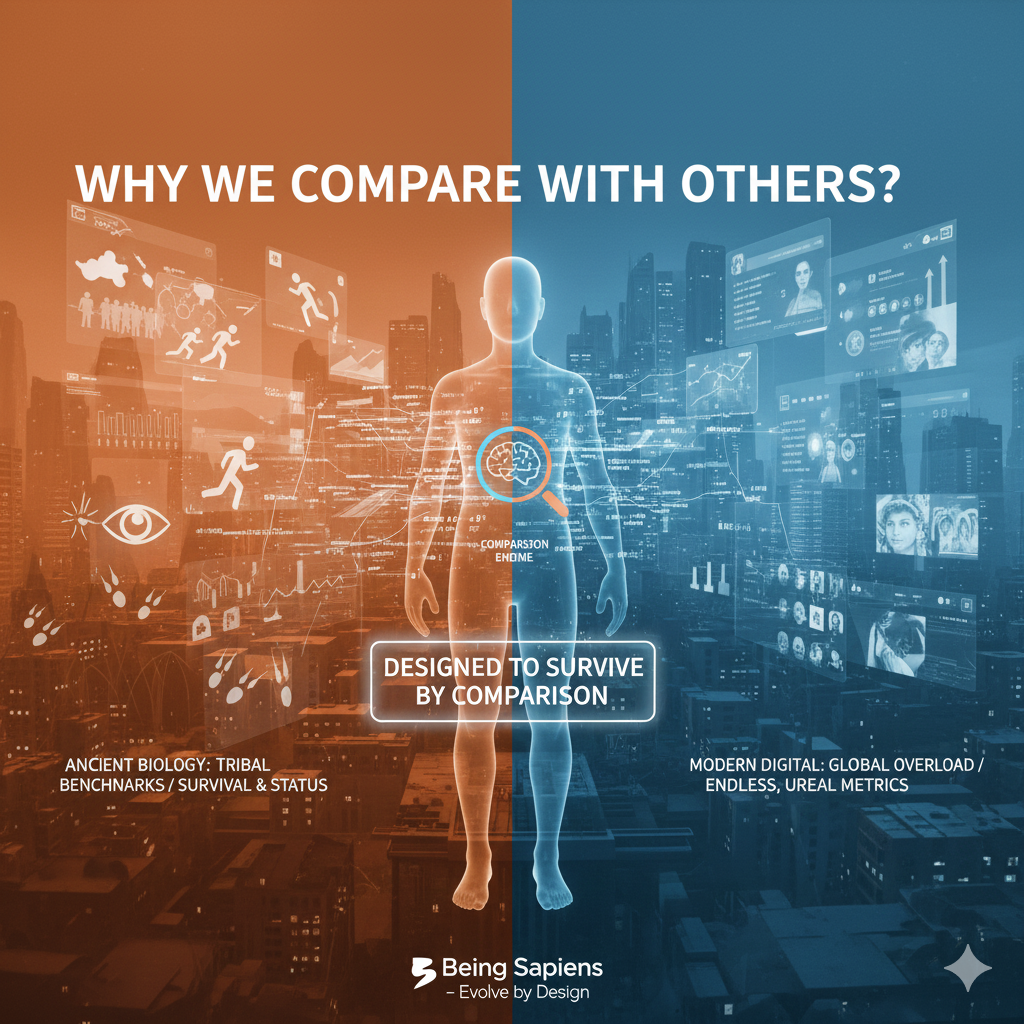
You see thousands of people on social media
-
You compare yourself constantly
-
You experience digital judgment
-
You feel exposed, evaluated, watched
-
You see “public opinion” from strangers
Your brain was not designed for this.
It evolved to handle the judgment of 30 people — not 30,000.
This mismatch makes your fear of judgment explode.
Why You Care So Much: The Evolutionary Summary
You care because:
1. Your ancestors survived through belonging.
Being included kept them alive.
2. Rejection once equaled death.
Your brain still responds to it as a life threat.
3. Status determined mating success.
Approval = attractiveness.
Rejection = loss of opportunity.
4. Other groups didn’t accept outsiders.
Losing your group meant no second chance.
5. The modern world amplifies old fears.
Social media activates ancient alarms.
You are not overreacting.
You are reacting exactly how your brain evolved to react.
So How Do You Fix This?
You cannot eliminate this instinct — it’s millions of years old.
But you can understand it.
And when you understand it, it loses its power.
Here’s what evolution says:
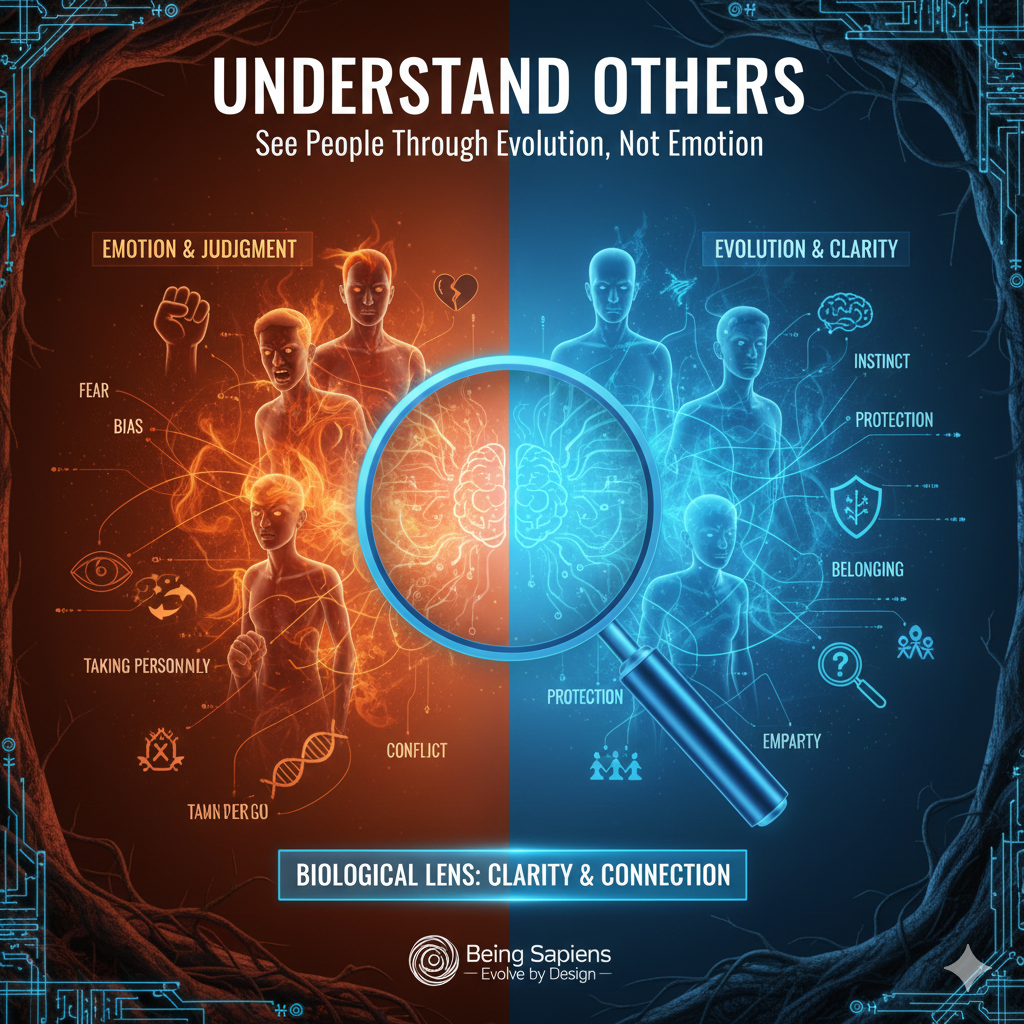
👉 Your fear of judgment is biological, not personal.
👉 It’s a survival system, not a character flaw.
👉 You don’t have a “weak” mind — you have an ancient one.
👉 The goal is not to stop caring — the goal is to care consciously.
Once you know this, you can act with awareness instead of fear.
Sapiens Reflection
You care what people think because your ancestors had to.
Belonging wasn’t a choice — it was survival.
But today, rejection doesn’t kill you.
Approval doesn’t guarantee success.
And belonging is not limited to 30 people anymore.
Your brain is old.
Your world is new.
Awareness is the bridge.
Being Sapiens means caring consciously — not out of fear, but out of understanding.